
Healthcare’s Digital Evolution
Technology-driven trends are reshaping patient care, clinical efficiency, and the future of global health systems.

The Shifts Transforming Modern Healthcare
Healthcare continues to evolve rapidly as providers adopt digital systems, enhance patient experiences, and meet regulatory demands.
Key Trends Influencing Healthcare Technology

Integrated Digital Patient Experiences
Modern healthcare is moving toward seamless, connected patient journeys across apps, portals, telehealth, and in-hospital systems.

AI & Intelligent Healthcare Automation
Clinical workflows, diagnostics support, and administrative tasks are increasingly integrating AI. Secure and compliant AI will shape the next era of healthcare delivery.

Cloud-Driven Healthcare Modernization
Hospitals are adopting cloud infrastructure for faster operations, storage, and interoperable data exchange.

Expansion of Virtual & Remote Care
Remote monitoring has become foundational rather than optional. Hybrid care models will drive future patient engagement and reduce clinical load.

Compliance-Led Digital Transformation
Rising cyber threats and strict regulations make compliance with HIPAA, GDPR, ISO 27001, and regional data laws essential for modern healthcare platforms
Healthcare Compliance as a Digital Advantage
Healthcare innovation must progress alongside security and compliance to ensure trust, safety, and long-term operational reliability.
HIPAA-Aligned Architectures
Build systems that adhere to HIPAA security, privacy, and integrity requirements.
GDPR-Ready Data Handling
Ensure compliant data collection, storage, processing, and user protection.
Audit-Friendly System Design
Enable transparency and simplified auditing across healthcare workflows.
Secure EHR/EMR Integrations
Connect systems with compliant, secure, and scalable health data exchange.
Multi-Layer Data Protection
Protect sensitive health information with encryption, IAM, and governance.
Regulatory-Ready Cloud Environments
Deploy cloud solutions designed for industry-specific compliance needs.
Insights & Strategic Perspectives
This section highlights high-level insights that reflect Softuvo’s research-driven understanding of digital evolution in healthcare.
Exploring Why Agentic AI is the Future of Logistics Optimization and Automation
The logistics industry has always been built on discipline, structured routes, planned inventories, and carefully timed operations. For decades, optimization meant refining these systems step by step. But today, the rules are changing.
Rising customer expectations, unpredictable disruptions, and global supply chain complexity are pushing traditional systems to their limits. This is where agentic AI in logistics is emerging, not as an upgrade but as a complete shift in how logistics systems think, act, and evolve.
At Softuvo, we see this transformation closely while building AI-powered logistics solutions for modern businesses, and one thing is clear: the future of logistics will not just be automated; it will be autonomous, adaptive, and intelligent.
What is Agentic AI
Agentic AI takes automation a step further: while traditional automation adheres to defined instructions and advanced AI provides recommendations based on data analysis, Agentic AI operates by taking autonomous action.
These systems:
Understand context
Make decisions independently
Execute multi-step workflows
Learn and improve over time
Instead of waiting for human input, AI agents operate with defined goals, such as reducing delivery time, minimizing cost, or improving service levels.
This shift from “AI as an assistant” to “AI as an operator” is what makes agentic systems powerful. As highlighted in recent industry research, these systems can connect siloed operations and autonomously coordinate planning, procurement, and logistics activities.
The Real Problem: Logistics is Too Complex for Static Systems
To discuss potential solutions, we must first establish a clear understanding of the fundamental problem.
Modern logistics is no longer linear. It is:
Multi-layered (suppliers, warehouses, distributors, last-mile)
Data-heavy (real-time tracking, demand signals, weather, traffic)
Highly volatile (geopolitical risks, demand spikes, disruptions)
Despite this, many companies still rely on the following:
Rule-based automation
Static route planning
Manual decision-making
This creates delays, inefficiencies, and missed opportunities.
Even today, logistics teams continue to struggle with rising operational costs and inefficiencies due to outdated systems that cannot adapt in real time.
This gap is precisely where intelligent logistics automation powered by agentic AI becomes essential.
From Automation to Autonomy: The Core Shift
Let’s simplify the difference:
Agentic AI systems don't just react; they also predict.
For instance:
A traditional system shows that there is a delay.
An agentic system automatically changes delivery times, reroutes shipments, and tells everyone involved.
AWS says that logistics AI agents can look at data, find relevant sources, and suggest or carry out the next best actions in real time.
Important Uses of Agentic AI in Logistics
1. Real-Time Route Optimization
Route planning used to be static. Now it’s dynamic.
AI agents:
Monitor traffic, weather, and delivery constraints
Adjust routes in real-time
Reduce fuel consumption and delivery time
Companies already use AI to find the best routes to save money, work more efficiently, and have less of an impact on the environment.
This is where route optimization software goes from being a tool to being a decision-maker.
2. Autonomous Supply Chain Planning
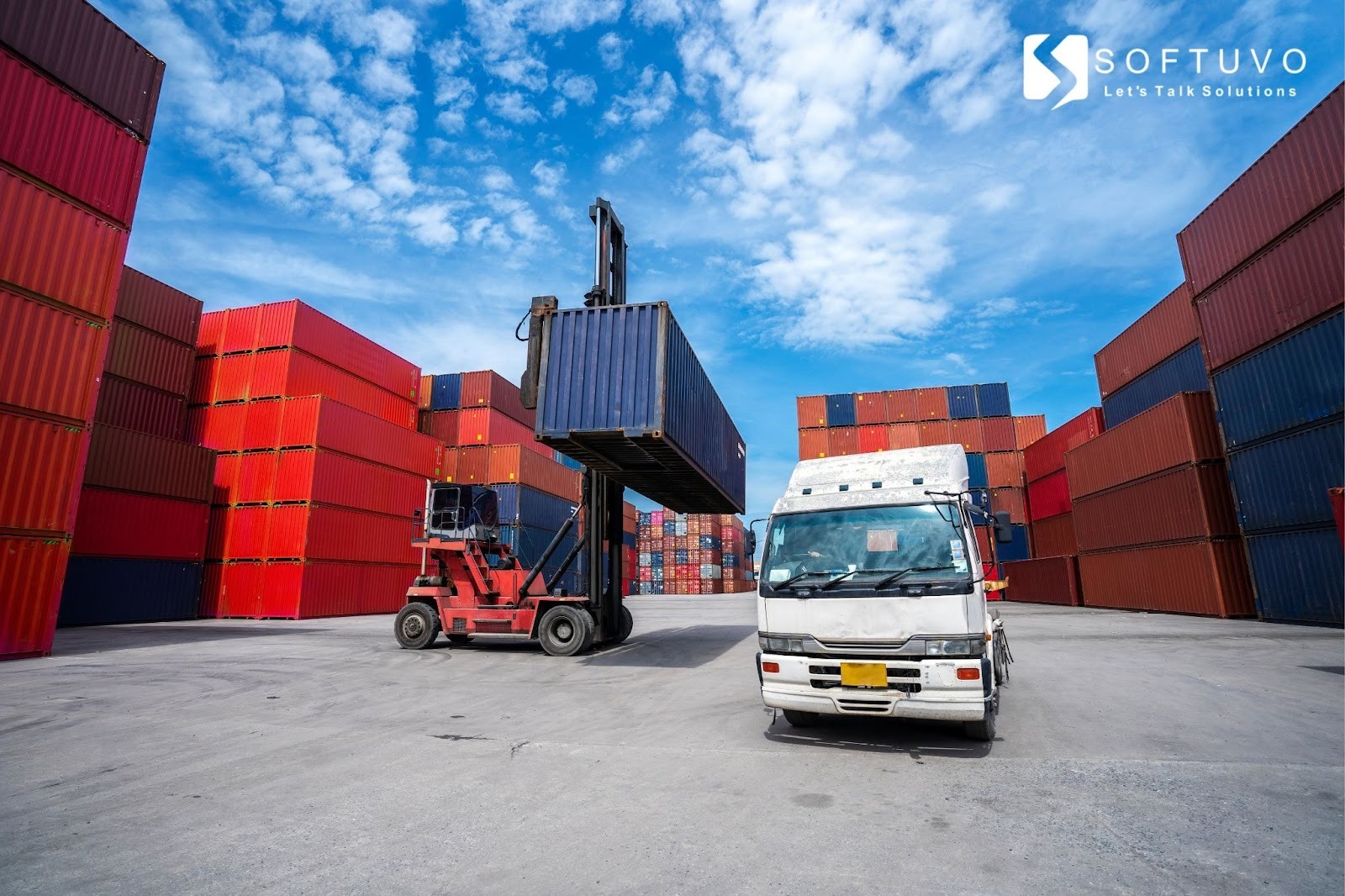
Instead of forecasting demand once a week, agentic systems:
Continuously analyze market signals
Adjust inventory and procurement
Automatically balance supply and demand
These systems can change production schedules and inventory allocation right away based on real-time data.
AI in supply chain management does not make predictions but takes action.
3. Smart Ways to Run a Warehouse
Warehouses are turning into self-sufficient ecosystems.
With AI agents:
Robots work together to pick and pack.
Inventory is managed in real time.
Bottlenecks are fixed in real time.
Big logistics companies are already using AI-powered robots that can do a lot of different things on their own, which makes things more flexible and efficient.
One of the hardest things about logistics is that things are always changing.
Agentic AI:
Monitors global events, supplier risks, and operational signals
Identifies disruptions early
Suggests or executes mitigation strategies
Research shows these systems can reduce response times from days to minutes when handling supply chain disruptions.
5. Sustainable Logistics Optimization
Sustainability is no longer optional.
AI-driven logistics systems can:
Optimize routes to reduce emissions
Improve load utilization
Cut fuel consumption
In fact, AI can potentially reduce logistics-related emissions by 10–15% through smarter operations.
Why Agentic AI is the Future of Logistics
1. Decision-Making at Machine Speed
Agentic systems cut decision-making time from hours or days to seconds.
This is very important in logistics because delays have a direct effect on sales and customer satisfaction.
2. Full Visibility
Data that is broken up is one of the biggest problems in logistics.
Agentic AI links:
Planning
Storage
Getting around
Help for customers
Creating a unified, intelligent system.
3. Resilience in Uncertain Environments
Global supply chains are more volatile than ever.
Agentic AI enables:
Predictive risk management
Real-time adaptation
Continuous optimization
This is what defines the future of logistics with AI systems that don’t break under pressure.
4. Cost Efficiency Without Compromise
By optimizing multiple variables simultaneously, agentic AI:
Reduces transportation costs
Minimizes inventory waste
Automates repetitive tasks
The result is leaner operations without sacrificing service quality.
The New Trend: Multi-Agent Logistics Ecosystems
We are now going beyond just one AI system.
The following are being used by modern logistics platforms:
A lot of different AI agents
Coordination across departments
Ecosystems that are driven by APIs
Over 50% of companies already use 10 or more AI agents in production, and 65% expect to have all of them up and running by 2027.
This makes it clear that logistics systems will soon act like teams instead of tools.
Problems to Solve And Why Most Businesses Fail Here
Even though it has potential, adoption is not easy.
Some of the main problems are the following:
Data storage areas
Bad integration of systems
Not enough skilled workers
Limitations of infrastructure
Even now, a lot of businesses have problems because their systems aren't set up to share data or intelligence in real time.
This is when it is very important to choose the right technology partner.
How Softuvo is Enabling the Next Generation of Logistics
At Softuvo, we approach logistics transformation differently.
Instead of just building software, we design the following:
Custom AI-powered logistics solutions tailored to business workflows
Scalable architectures for multi-agent systems
Intelligent platforms that combine automation + decision-making
Whether it’s:
Smart route optimization
Predictive supply chain systems
AI-driven dashboards
Workflow automation
Our focus is simple: build systems that don’t just support operations but run them intelligently.
Final Thoughts
Agentic AI is not a future concept; it is already reshaping logistics.
From autonomous warehouses to self-optimizing delivery networks, the industry is moving toward systems that:
Think
Decide
Act
And most importantly, learn continuously.
Businesses that embrace this shift early will:
Reduce operational complexity
Improve customer satisfaction
Build resilient, scalable logistics networks
Those who don't will have a hard time keeping up.
Are you ready to build the future of logistics?
Now is the time to act if you're looking into how Agentic AI can change your logistics operations.
We help businesses move from old-fashioned systems to smart logistics automation at Softuvo, one step at a time, with clear results.
Because the future of logistics isn't just robots. It runs itself.
Read MoreHow Augmented Reality (AR) is Increasing Conversion Rates in Retail Apps
The way people shop has changed, but one challenge has remained constant: customers hesitate when they cannot fully trust what they see online.
No matter how well-written a product description is or how polished the images look, buyers still ask themselves:
“Will this actually look good on me?”
“Will this fit my space?”
“Is this worth the money?”
This hesitation is exactly where augmented reality in retail apps is quietly transforming the game.
Instead of asking customers to imagine, AR allows them to experience the product before buying, and that single shift, from imagination to experience, is what drives higher conversions.
Let’s explore how.
The Real Problem Behind Low Conversion Rates
Before understanding AR’s impact, it’s important to look at the core issue in retail apps:
Lack of physical interaction
Uncertainty about product fit, size, or appearance
High return rates due to mismatched expectations
Decision fatigue caused by too many options
While traditional e-commerce attempts to compensate with enhanced images, videos, and customer reviews, these solutions still prove insufficient.
AR solves this problem at a deeper level and removes doubt.
What Makes AR So Powerful in Retail?
At its core, augmented reality for e-commerce blends digital products into a user’s real environment. Instead of viewing a product on a screen, users see it in their own space, on their own body, or in real time.
This creates three powerful psychological triggers:
Confidence: “I know how it looks now.”
Control: “I can try it myself.”
Connection: “This feels like mine already.”
And these triggers directly influence buying decisions.
1. “Try Before You Buy” Eliminates Purchase Anxiety

One of the biggest reasons people abandon carts is uncertainty.
AR removes that by allowing users to:
Place furniture in their room
Try on clothes, glasses, or makeup virtually
Visualize gadgets or décor in real environments
When users can see exactly how a product fits into their life, hesitation drops.
Impact:
Reduced cart abandonment
Faster decision-making
Higher purchase confidence
This is one of the strongest reasons why augmented reality shopping apps are outperforming traditional apps in engagement and conversions.
2. AR Creates a Sense of Ownership Before Purchase
There’s a classic psychological principle: People value things more when they feel ownership, even before buying.
AR activates this effect beautifully.
When a customer places a virtual sofa in their living room or tries on a pair of sunglasses, something subtle happens:
The product stops being “a product.”
It becomes “my sofa” or “my look.”
This emotional connection significantly increases the likelihood of purchase.
Impact of AR on retail sales:
Customers are no longer browsing; they are already experiencing ownership.
3. Reduced Returns = Increased Profitability
Returns are one of the highest hidden costs in e-commerce.
Customers often return products because:
The size didn’t match expectations
The color looked different
The product didn’t fit the intended space
AR directly addresses these issues by providing real-world visualization before purchase.
When customers know what they are getting:
They make better decisions
They are less likely to return items
Result:
Lower return rates
Higher customer satisfaction
Better profit margins
This is a practical and measurable impact of augmented reality for e-commerce, not just a theoretical benefit.
4. AR Increases User Engagement Time
Traditional apps rely on scrolling.
AR-based apps invite interaction.
Instead of passively browsing, users:
Rotate products
Place them in different environments
Experiment with variations
This transforms shopping into an experience.
And when users spend more time engaging with a product:
Their interest deepens
Their likelihood of buying increases
More engagement = more conversions
5. Personalized Shopping Experience at Scale
Modern users expect personalization. AR delivers it in a highly intuitive way.
Instead of showing generic recommendations, AR allows:
Personalized product previews
Context-based visualization
Real-time customization
For example:
A user sees how a chair fits in their room, not a showroom
A user tries lipstick shades on their face, not a model
This level of personalization makes users feel understood, and when users feel understood, they buy.
6. Builds Trust in Digital Shopping
Trust is the foundation of conversion.
AR helps build trust by:
Providing realistic previews
Reducing the mismatch between expectation and reality
Offering transparency in product visualization
AR shows products in real life, unlike edited photos or staged product images.
7. AR Bridges the Gap Between Online and Offline Retail
Physical stores have always had one big advantage: the ability to see and try products in real life.
AR brings that same advantage into digital platforms.
It combines:
The convenience of online shopping
The confidence of offline experiences
This hybrid experience is exactly what modern consumers prefer.
Real-World Use Cases That Drive Conversions
Let’s look at how different industries are using AR effectively:
Furniture & Home Decor
Users place furniture in their homes before buying, which eliminates guesswork about size and aesthetics
Fashion & Accessories
Virtual try-ons for clothes, sunglasses, and jewelry eeduces uncertainty about style and fit
Beauty Industry
Makeup trials using AR filters help users choose the right shade instantly
Retail & Grocery
Interactive product previews and packaging visualization enhance product understanding
These examples show that augmented reality in retail apps is not just a fad; it's becoming the norm.
The Business Impact: Why Retail Brands Are Investing in AR
Companies are using AR not just to be cutting-edge, but also because it works.
Here’s what companies are seeing:
Increased conversion rates
Higher average order value
Reduced product returns
Better customer engagement
Stronger brand differentiation
These benefits are not optional in a market where there is a lot of competition; they are necessary.
Where Softuvo Fits In
As businesses look to integrate AR into their retail ecosystems, the real challenge is not why to use AR, but how to implement it effectively.
This is where a technology partner makes all the difference.
Softuvo focuses on building custom digital solutions that are not only functional but also conversion-driven. From user-centric design to scalable app development, the goal is to create experiences that users trust and businesses can grow with.
For retail brands, this means:
Seamless AR integration
High-performance mobile apps
Intuitive user experiences
Scalable e-commerce solutions
Because AR alone is not enough, the execution defines the results.
The Future of AR in Retail
AR is still evolving, but its direction is clear.
In the coming years, we can expect:
More realistic and immersive AR experiences
Integration with AI for smarter recommendations
Web-based AR (no app downloads required)
Wider adoption across small and mid-sized businesses
Retail will no longer be about browsing; it will be about experiencing before buying.
Final Thoughts
The success of any retail app depends on one simple factor: how confident the customer feels before clicking “Buy Now.”
Augmented reality changes that confidence completely.
By removing uncertainty, increasing engagement, and creating emotional connections, AR turns hesitant users into confident buyers.
That’s why the impact of AR on retail sales is not just noticeable; it’s transformative.
If retail once relied on touch and feel, AR ensures that digital shopping doesn’t lose that advantage; it simply reinvents it.
Read More10 Must-Know Mobile App Development Trends Shaping the Digital Future in 2026
Think about the last time you deleted an app. It probably wasn’t because it “didn’t work.” It was because it felt slow, irrelevant, or just… unnecessary. That’s exactly what’s changing in 2026. Users don’t download apps for features anymore, but they expect: instant responses personalized experiences zero friction and apps that think for them This shift is redefining mobile app development at its core. So if you're planning to build or scale a digital product, understanding the top mobile app development trends makes the difference between building something people use and something they uninstall. Let’s break down what’s actually shaping the future of mobile app development, with real-world context, not theory. In the past, apps were built with features. In 2026, they are building with intelligence at the center. This is the most significant change in mobile app trends for 2026. Instead of: “Search → click → filter → choose” Users now expect "Open app → get the answer instantly.” Think about: A fitness app that builds your workout without input A shopping app that shows what you’ll likely buy next A finance app that warns you before overspending AI is no longer a feature; it’s the decision-making layer of modern apps. The best apps in 2026 are the ones you barely interact with. This concept is called Invisible UX. Examples: Food apps suggest your usual order before you search Travel apps auto-checking you in Health apps tracking without manual input The goal is simple: Reduce effort to near zero This trend is driving higher retention and deeper engagement across digital transformation apps. Personalization is no longer about “Hello, username.” It’s about: showing different UI to different users changing content based on mood, time, and behavior adapting in milliseconds For example: An eCommerce app shows premium products to high spenders A learning app slows down content if you struggle This level of personalization is becoming standard in mobile app development. The real shift is not AI; it’s where AI runs. Instead of sending everything to the cloud, apps now process data directly on the device Why this matters: faster response time better privacy works even with low internet This is especially critical for: healthcare apps fintech apps real-time decision systems Edge AI is becoming the backbone of high-performance apps. Your app is no longer just an app. It’s becoming a remote control for real life. In 2026: One app can manage your home devices Track your health Control your car Automate routines This is where AI + IoT (AIoT) is driving true digital transformation apps. The future is not "mobile-first"; it’s ecosystem-first. For years, AR felt like a gimmick. Now it’s solving real problems. Examples: Try furniture in your room before buying Visualize a property without visiting Train employees in simulated environments Businesses using AR are seeing: higher conversion rates lower return rates better engagement This is one of the most underrated mobile app trends of 2026. Earlier, security was backend work. Now it’s part of the user experience. Users are actively choosing apps that: collect less data are transparent give control Apps that ignore this lose trust instantly That’s why modern mobile app development includes: on-device processing clear permissions privacy-first architecture Users are tired of switching between apps. They want one app that does everything This is why super apps are rising: payments bookings messaging shopping All in one place. Even if you’re not building a super app, this trend affects you: Users expect integration, not isolation There was a time when cross-platform apps meant poor performance. That time is over. With tools like Flutter and React Native: Performance is near-native Development is faster Costs are lower Businesses now prefer this approach to scale faster in competitive markets. In 2026, the winner is not the best idea. It’s the fastest execution. That’s why: The MVP-first approach is rising Low-code tools are growing Agile development is standard Launch fast → learn → improve → scale This mindset defines the top mobile app development trends shaping how modern apps are built and scaled. If you look closely, all these trends point to one direction: Apps are becoming smarter, faster, and more human-like Users don’t want: more features more buttons more complexity They want: Simplicity relevance Speed Intelligence 1. How do mobile app trends in 2026 impact business growth? They help businesses deliver faster, personalized, and smarter user experiences, leading to better engagement and higher conversions. 2. What is the most important mobile app development trend in 2026? AI-powered apps are the biggest trend, enabling automation, personalization, and real-time decision-making. 3. How much does mobile app development cost in 2026? Costs vary based on features, complexity, and platforms, but most businesses start with an MVP to reduce initial investment. 4. How long does it take to build a mobile app? An MVP can take 2–4 months, while a full-featured app may take 4–9 months, depending on requirements. 5. Why is AI important in the future of mobile app development? AI enables apps to understand user behavior, automate tasks, and deliver personalized experiences. 6. What is the benefit of cross-platform app development? It allows faster development, lower costs, and consistent performance across multiple platforms. 7. What makes a mobile app successful in 2026?
Speed, simplicity, personalization, and strong security are key factors. 8. How can Softuvo help with mobile app development?
Softuvo builds scalable, user-focused apps using the latest technologies to drive real business growth. Let’s be clear. The future is not about building apps. It’s about building experiences that users don’t want to leave That’s why, at Softuvo, we focus on building intelligent, user-centric applications that evolve in response to user behavior. Because in 2026: Users don’t adapt to apps Apps must adapt to usersYour app is no longer competing with apps. It’s competing with experiences.
1. AI-Native Apps Are Replacing Feature-Based Apps
2. The Rise of Invisible UX (Zero-Click Experiences)
3. Micro-Personalization in Real Time
4. Edge AI Is Quietly Changing App Architecture
5. Apps Are Becoming Control Centers (AIoT in Action)
6. AR Is Becoming Practical
7. Privacy Is Now a Product Feature
8. Super Apps Are Changing User Expectations
9. Cross-Platform Is No Longer a Compromise
10. Speed-to-Market Is the New Competitive Advantage
What This Means for Businesses
FAQs
Final Thought: The Real Shift
What is fleet route optimization? A guide to improving fleet efficiency
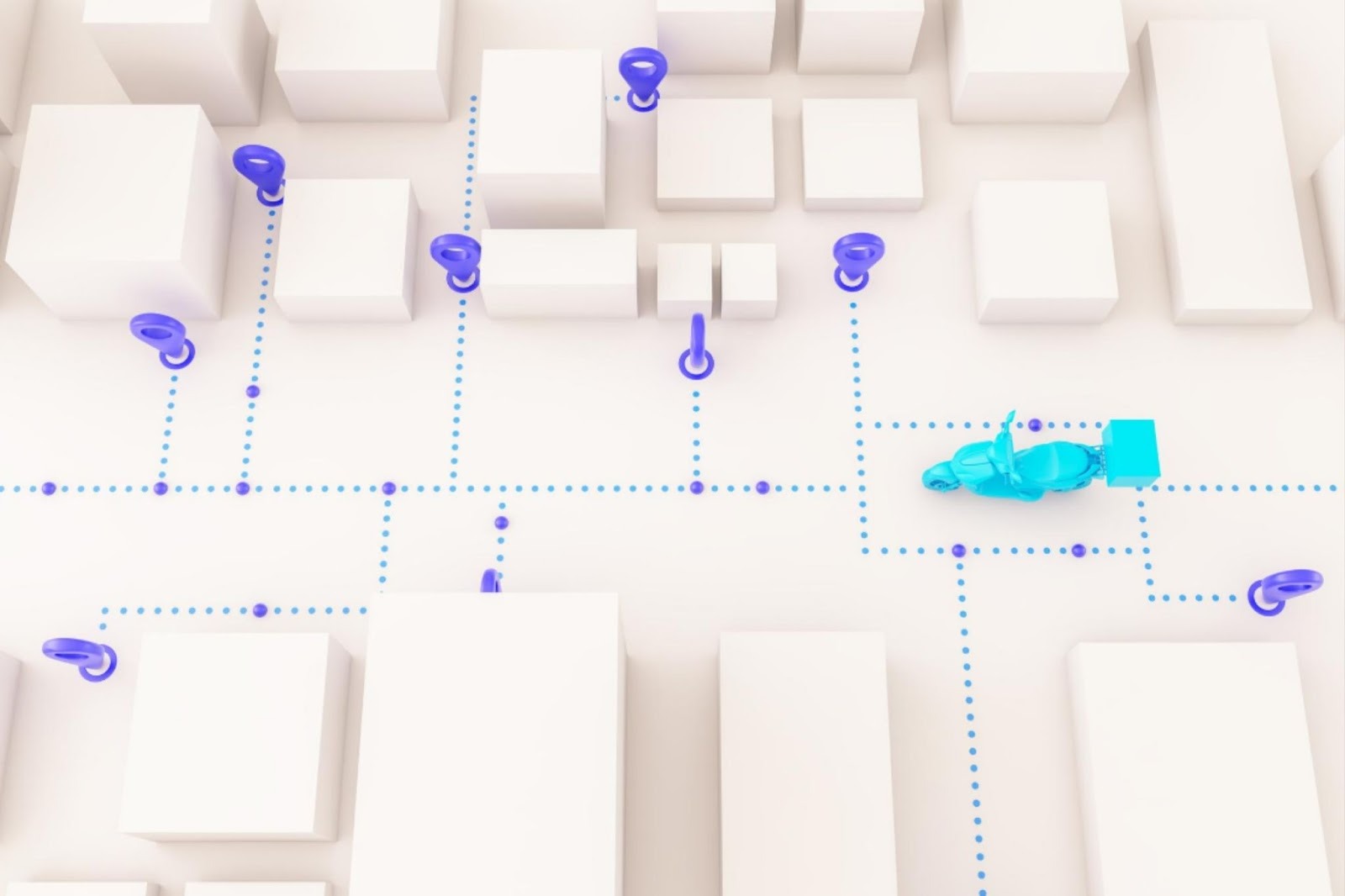
Most logistics leaders don’t realize this, but their biggest loss isn’t fuel, delays, or even driver inefficiency. It’s “almost optimal routing.” Routes that look fine on paper but silently drain margins: A 7-minute longer route repeated 300 times a day A delivery sequence that increases idle time A missed opportunity to combine loads These small inefficiencies don’t trigger alarms, but over time, they quietly eat into profitability. This is where logistics fleet optimization stops being a technical upgrade and becomes a business strategy. Fleet route optimization is often misunderstood as “finding the shortest path," but in real-world logistics, the shortest route is rarely the best one. Modern fleet route management is now balancing multiple moving variables: Delivery priorities Vehicle capacity Traffic behavior patterns Driver availability Customer time windows In simple terms, it answers, "What is the smartest way to move goods, not just the fastest?” For years, businesses relied on: Static route planning Manual dispatch decisions Driver experience These methods worked effectively when order volumes were low, delivery expectations were flexible, and fuel costs were manageable. But today’s logistics environment is different: Same-day delivery expectations Rising fuel costs Urban congestion Multi-location operations Traditional routing creates bottlenecks because it cannot adapt in real time. That’s why companies are now turning to fleet management software that can think, adjust, and optimize continuously. Fleet route optimization is influencing the results of businesses beyond operational efficiency. Optimized routes reduce: Fuel consumption Overtime hours Vehicle wear and tear Even a 5–10% improvement in the route efficiency can significantly impact annual margins. Customers today value consistency more than speed. Optimized routing ensures: Accurate ETAs Fewer missed deliveries Better customer trust Businesses can now do more with what they already have, rather than simply adding more vehicles. They can: Maximize the capacity of their current fleet Cut down on empty trips Refine how they plan loads Today's systems offer data-driven insights, including Trends in route performance Patterns in driver behavior Delivery success rates Real efficiency comes from how optimization is implemented. Here are some key points that define modern logistics fleet optimization: Instead of fixed routes, modern systems adjust in real time based on: Traffic changes Order updates Unexpected delays Advanced systems consider multiple constraints simultaneously: Delivery time windows Vehicle load limits Driver working hours Modern fleet management software is proactive and predictive, not merely reactive. Traffic patterns based on historical data Delivery delays before they happen Demand spikes The order of deliveries matters more than most businesses realize. Smart sequencing can: Reduce idle time Minimize backtracking Improve delivery flow Optimization becomes powerful when connected with: Order management systems Warehouse systems CRM platforms Despite having the correct instruments, numerous businesses struggle to attain genuine optimization. Solution: Continuously refine routes using real-time data. Drivers understand on-the-ground realities better than systems alone. Solution: Combine system intelligence with driver feedback. Shortest distance ≠ fastest or most efficient route. Solution: Optimize for time, cost, and delivery success, not just distance. Disconnected systems lead to fragmented decisions. Solution: Use integrated fleet management software for end-to-end visibility. Imagine a mid-sized logistics company handling 500 deliveries daily. Without optimization: Routes are manually assigned Drivers face delays due to traffic Vehicles return partially empty After implementing intelligent fleet route management: Routes adjust dynamically Deliveries are grouped efficiently Vehicles operate closer to full capacity Result: 12% reduction in fuel costs 18% improvement in delivery time accuracy Higher customer satisfaction This is the tangible effect of structured optimization, not a theoretical concept. At Softuvo, fleet optimization is not approached as a generic software solution; it’s treated as a business transformation tool. Softuvo focuses on: Custom-built fleet management software to operational needs Intelligent routing systems designed for scalability Integration with existing business workflows Instead of offering one-size-fits-all solutions, Softuvo works closely with logistics leaders to: Identify inefficiencies Build adaptive routing systems Enable long-term optimization strategies The next phase of logistics fleet optimization is already evolving. We are moving toward: AI-driven autonomous decision-making Real-time fleet visibility across geographies Hyper-personalized delivery routes Businesses that adopt these technologies early will not just improve efficiency, but they will redefine how logistics operates. It reduces small inefficiencies that add up, like extra miles, idle time, and poor route planning. Over time, this means lower costs and better use of your fleet. Look for real-time tracking, smart routing, and easy integration with your current systems. It should also scale as your operations grow. Yes, modern systems adjust routes in real time when there’s traffic, delays, or new orders, so operations don’t get disrupted. Because they treat it as a one-time setup. To see real results, routes need to be updated regularly based on data and changing conditions. Fleet route optimization is a crucial competitive advantage. In an industry where margins are tight and expectations are high, even small inefficiencies compound quickly. The real question is not "Do we need route optimization?” But: “How much inefficiency can we afford to ignore?”The Hidden Cost of “Almost Efficient” Routes
What Is Fleet Route Optimization?
Why Traditional Routing Methods No Longer Work
The Real Impact of Route Optimization on the Performance of Business
1. Reduced Operational Costs
2. Improved Delivery Reliability
3. Better Asset Utilization
4. Data-Driven Decision Making
What Makes Route Optimization “Advanced” Today?
1. Dynamic Routing
2. Multi-Constraint Optimization
3. Predictive Intelligence
4. Route Sequencing Intelligence
5. Integration with Business Systems
Common Mistakes To Achieve Real Optimization
Mistake 1: Treating Optimization as a One-Time Setup
Mistake 2: Ignoring Driver Input
Mistake 3: Over-Focusing on Distance
Mistake 4: Lack of System Integration
A Real-World Scenario: What Optimization Actually Looks Like
How Softuvo Helps Businesses to Achieve Smarter Fleet Efficiency
The Future of Fleet Route Optimization
FAQs
1. How does logistics fleet optimization actually improve profits?
2. What should businesses look for in fleet management software?
3. Can route optimization handle last-minute delivery changes?
4. Why do some companies fail to get results from route optimization?
Conclusion

Explore Our Healthcare Solutions
For organizations looking to transform care delivery, Softuvo builds modern healthcare systems, secure cloud architectures, scalable platforms, and compliance-first engineering.
View Healthcare Solutions